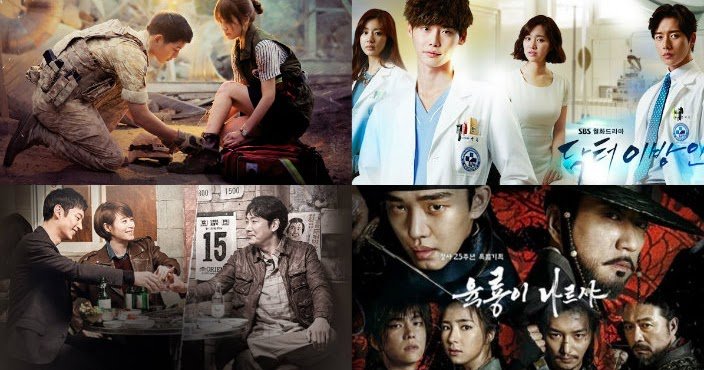
From captivating narratives to global fashion trends, the phenomenon of K-dramas has transcended entertainment, profoundly shaping 'K-Drama Culture & Influence' across continents. What started as niche television from South Korea has blossomed into a full-fledged cultural powerhouse, redefining how we engage with stories and perceive the world.
At a Glance: The Unstoppable Rise of K-Drama Influence
- Global Entertainment Powerhouse: K-dramas are now a staple of international viewing, renowned for their intricate plots and emotional depth.
- Cultural Ambassador: They showcase Korean traditions, modern life, and values, significantly boosting South Korea's "soft power."
- Trendsetter: K-dramas dictate global fashion, beauty, and lifestyle choices, from "glass skin" to iconic outfits.
- Language Learning Catalyst: Interest in the Korean language has surged, driven by a desire to connect deeper with dramas.
- Community Builder: Vibrant online fan communities foster global connections and discussions, extending the K-drama experience.
- Technological Innovator: High production quality, stunning visuals, and advanced CGI set new benchmarks for global television.
- Economic Driver: Boosting tourism, cultural exports, and international collaborations, they're a significant economic force.
The world is watching. Billions of hours are streamed, countless fan theories are debated online, and "oppa" has become a recognizable term far beyond Seoul. K-dramas, short for Korean dramas, have catapulted from regional favorites to global sensations, not just entertaining us, but actively reshaping cultural landscapes, fashion choices, and even international relations.
This isn't just about compelling television; it's about a cultural movement. Let's peel back the layers and understand how 'K-Drama Culture & Influence' has woven itself into the fabric of our global society.
The Irresistible Storytelling Formula: Why We're All Hooked
At the heart of K-drama's colossal success lies its unparalleled approach to storytelling. These aren't just series; they're meticulously crafted narratives that pull you into complex worlds, making you laugh, cry, and ponder long after the credits roll.
Emotional Resonance and Relatable Characters
K-dramas excel at creating characters that feel deeply human, flaws and all. Whether it's the star-crossed lovers navigating geopolitical divides in Crash Landing on You or the neurodivergent lawyer finding her voice in Extraordinary Attorney Woo, these aren't caricatures; they're reflections of ourselves and the people we know.
The narratives often blend genres seamlessly—a dash of fantasy with a spoonful of romance, a sprinkle of comedy over a heavy base of drama, or historical epics laced with political intrigue. This genre fluidity keeps stories fresh and unpredictable, appealing to a broad audience regardless of their typical viewing preferences. You'll find well-structured plots that often build towards satisfying, albeit sometimes tear-jerking, conclusions, ensuring emotional payoffs that resonate deeply.
Tackling Real-World Issues with Grace
Beyond the thrilling romances and intricate mysteries, K-dramas frequently venture into sensitive social issues, offering nuanced perspectives that spark important conversations. Take It's Okay to Not Be Okay, which bravely explored themes of mental health, trauma, and societal stigmas, or Stranger, a gripping thriller that dissected corruption and justice within the legal system.
These shows don't shy away from family dynamics, societal pressures, or the pursuit of personal growth. They often champion themes of resilience, the transformative power of love, and the courage to overcome adversity. By tackling such universal human experiences, K-dramas create a bridge of understanding, allowing viewers from diverse backgrounds to connect with the characters' struggles and triumphs. This depth adds a layer of intellectual engagement that elevates them beyond mere escapism.
Beyond the Screen: A Visual and Technical Masterpiece
Watching a K-drama is often an aesthetic experience, akin to watching a long-form movie. The commitment to visual excellence and technical innovation is a cornerstone of their global appeal.
The Art of Cinematography and Set Design
From the bustling streets of Seoul to serene countryside vistas, K-dramas are renowned for their breathtaking cinematography. Directors leverage beautiful landscapes, vibrant cityscapes, and meticulously crafted sets to enhance the emotional texture of the story. Every frame often feels intentionally composed, creating a visually stunning backdrop that elevates the viewing experience.
Consider the intricate historical palaces in a sageuk (historical drama) or the chic, minimalist apartments in a contemporary rom-com – each detail is carefully curated to immerse you in the drama's world. This attention to detail isn't just about making things look pretty; it's about building a believable, captivating environment that complements the narrative, making the fantastical feel plausible and the dramatic feel tangible.
Pushing Boundaries with Production Tech
The high production quality extends to cutting-edge technology. K-dramas have embraced high-definition filming, sophisticated computer-generated imagery (CGI), and advanced special effects to create immersive worlds and believable action sequences. This technological prowess has set new benchmarks in international television production, often rivaling Hollywood features.
This commitment to technical excellence isn't just for sci-fi or fantasy genres; it's integrated across the board, from subtle effects that enhance a dream sequence to grand historical battle scenes. The investment in quality has also fostered more co-productions, as international partners recognize the technical capabilities and creative vision that Korean production houses bring to the table. For a deeper dive into the mechanics of these captivating narratives, you might want to Explore the 24drama hub.
Breaking Down Borders: The Streaming Revolution
While the quality of K-dramas has always been high, their true global explosion happened with the advent of streaming platforms. This was the catalyst that truly brought 'K-Drama Culture & Influence' to every corner of the world.
Accessibility and Global Reach
Streaming giants like Netflix, Hulu, and Viki have been game-changers, effectively dismantling geographical barriers that once limited K-drama viewership to specific regions. With multilingual subtitles readily available in dozens of languages, these platforms have made Korean stories accessible to a truly global audience. No longer do you need to hunt for obscure DVDs or rely on fan-subtitled videos; high-quality K-dramas are now just a click away.
This ease of access has democratized entertainment, allowing viewers from different linguistic and cultural backgrounds to discover and fall in love with Korean narratives. It's transformed K-dramas from a niche interest into a mainstream global phenomenon, available whenever and wherever you choose to watch.
Strategic Partnerships and Co-Productions
The global appetite for K-dramas hasn't gone unnoticed by international streaming companies. This has led to strategic collaborations between South Korean producers and these global platforms. Netflix, for instance, has invested heavily in original Korean content, resulting in blockbusters like Squid Game and Kingdom, which achieved unprecedented global viewership records.
These partnerships provide Korean creators with larger budgets, broader distribution networks, and increased creative freedom, while streaming platforms gain exclusive access to compelling content that attracts and retains subscribers worldwide. It’s a symbiotic relationship that continues to propel K-drama production and influence to new heights, ensuring a steady stream of diverse and high-quality content for years to come.
South Korea's Soft Power Play: Hallyu's Heartbeat
Beyond mere entertainment, K-dramas are a powerful instrument of cultural diplomacy, serving as a key pillar of the "Hallyu" or Korean Wave. They offer a window into South Korean society, profoundly impacting global perceptions and interactions.
Cultural Diplomacy and Tourism Boom
K-dramas are exquisite showcases of South Korea's rich cultural tapestry. They elegantly blend traditional customs, historical events, and modern societal norms, from the reverence for elders to the fast-paced, technologically advanced urban life. Viewers get an intimate glimpse into Korean food, fashion, architecture, and daily routines, fostering a deeper understanding and appreciation for the culture.
This cultural representation has directly translated into a significant boost for tourism. Iconic filming locations, from Nami Island (Winter Sonata) to scenic coastal towns (Hometown Cha-Cha-Cha), have become pilgrimage sites for fans. The South Korean government actively supports this cultural export, leveraging initiatives like "Visit Korea Year 2023–2024" to align K-drama and K-pop attractions with travel promotions, further enhancing the nation's appeal as a premier tourist destination. K-dramas aren't just selling stories; they're selling an experience of South Korea itself.
The Language Learning Surge
One of the most remarkable impacts of K-dramas is the surge in global interest in learning the Korean language. For many fans, understanding the nuances of dialogue, appreciating the original vocal performances, and connecting more directly with the culture becomes a powerful motivator. Enrollments in Korean language courses at universities and cultural centers worldwide have soared.
Online language exchange programs and mobile apps dedicated to Korean learning have also seen massive growth. This interest extends beyond casual learning; it's leading to increased academic study, fostering cross-cultural communication, and opening doors for international collaboration and exchange. The desire to truly immerse oneself in the K-drama universe has made Korean a vibrant, growing language on the global stage.
Fashion, Beauty, and Lifestyle: A Global Style Guide
If you've watched any K-drama, you know that the characters are not just delivering lines; they're setting trends. The 'K-Drama Culture & Influence' extends powerfully into global fashion, beauty, and lifestyle choices.
Trendsetting from Seoul to the World
K-drama characters, from their meticulously styled outfits to their flawless hair and makeup, become instant fashion icons. Viewers eagerly adopt the styles seen on screen, whether it's the sophisticated office wear of a chaebol heir, the effortless chic of a coffee shop owner, or the avant-garde looks of a pop star. Online forums and social media explode with discussions about "where to buy" a particular coat or "how to style" a specific haircut.
Fashion brands that feature prominently in K-dramas often see a dramatic spike in sales, and even small, independent designers gain international recognition. This influence is so strong that major fashion houses now actively seek opportunities to place their products in upcoming dramas, recognizing the unparalleled global exposure and trendsetting power these shows wield.
The K-Beauty Phenomenon
Perhaps no other industry has been as visibly impacted by K-dramas as the beauty sector. Korean beauty (K-beauty) products and trends, frequently showcased by K-drama stars, have gained a massive global following. The pursuit of "glass skin"—a poreless, luminous, and translucent complexion—is just one example of a K-beauty ideal popularized by dramas and eagerly adopted by consumers worldwide.
From multi-step skincare routines to innovative makeup techniques, K-dramas act as influential marketing platforms. When a beloved actress uses a certain brand of cushion foundation or lip tint, sales inevitably skyrocket. This constant exposure has transformed K-beauty from an exotic novelty into a mainstream global force, influencing product development and consumer habits across continents.
The Power of Fandom: Connecting Across Continents
The K-drama experience doesn't end when the final episode airs. It lives on in vibrant, passionate global fan communities that are a testament to the powerful connections these shows forge.
Online Communities and Shared Experiences
Social media platforms, online forums, and dedicated fan websites serve as bustling hubs for K-drama enthusiasts. Here, fans dissect plot twists, share theories, celebrate their favorite characters, and mourn fictional losses together. This collective engagement creates a strong sense of community, allowing people from diverse backgrounds and geographical locations to bond over a shared passion.
These communities are incredibly active, translating news, organizing online watch parties, and even initiating fan projects to support their favorite actors or shows. They act as a powerful engine for spreading K-drama culture, introducing newcomers to the genre, and amplifying its global reach through word-of-mouth and enthusiastic advocacy. The shared emotional investment fosters friendships and connections that transcend cultural barriers.
The K-Drama and K-Pop Synergy
It's impossible to discuss K-drama culture without acknowledging its symbiotic relationship with K-pop. Many K-drama actors are also K-pop stars, or have successfully transitioned between the two industries. Idols often make cameo appearances in dramas, or their groups contribute to a drama's Original Soundtrack (OST), which itself becomes a highly anticipated part of the viewing experience.
This mutual boosting effect is incredibly powerful. A K-pop fan might discover a K-drama because their favorite idol is acting in it, and a K-drama viewer might dive into K-pop after falling in love with a drama's OST or lead actor's music. This cross-pollination ensures that both K-dramas and K-pop continue to gain global exposure, solidifying Hallyu's overall impact and expanding its already massive fanbase.
From Niche to Global Phenomenon: A Brief History
The journey of K-dramas from small-screen productions to international giants is a fascinating narrative in itself, highlighting evolution and adaptation.
In the 1960s, Korean television dramas were modest affairs, typically produced in small studios and broadcast live. Themes often revolved around historical events, family dynamics, and moralistic tales, reflecting the societal values of post-war South Korea. They served as a form of social commentary and entertainment for a largely domestic audience.
The 1980s and 1990s saw a shift towards more contemporary settings and issues. As South Korea underwent rapid economic development and modernization, dramas began to explore themes of urban life, youth culture, and romance. This period also saw an increase in production quality and the introduction of more sophisticated storytelling techniques. Shows began to gain traction in neighboring Asian countries, laying the groundwork for the initial stages of Hallyu.
The late 1990s and early 2000s marked the true beginning of the "Korean Wave," primarily driven by dramas like Winter Sonata and Dae Jang Geum, which achieved immense popularity across Asia. These shows introduced many international viewers to Korean culture, food, and traditions, sparking an early interest that would only grow exponentially in the following decades.
Fast forward to today, and K-dramas are a global force, building on decades of creative development, technological advancement, and a persistent drive for captivating storytelling.
The Road Ahead: What's Next for K-Dramas?
The future of K-dramas looks brighter and more dynamic than ever, with continued innovation and expansion on the horizon. We're already seeing shifts that hint at what's to come.
Expect further diversification in genres, with more experimental narratives that push creative boundaries. As global collaborations become more common, K-dramas may increasingly incorporate international talent, settings, and linguistic elements, creating truly hybrid forms of storytelling. This could lead to K-dramas that bridge even more cultural divides, offering narratives that resonate with an even broader global audience.
Technologically, the industry is poised to explore even more interactive experiences. Imagine dramas that integrate virtual reality (VR) elements, allowing viewers to step into the world of their favorite characters, or mobile games that extend the narrative beyond the screen. The boundary between passive viewing and active participation is likely to blur, offering new ways for fans to engage with their beloved stories. Furthermore, the focus on short-form content and web series is likely to grow, catering to evolving consumption habits and providing even more accessible entry points into the K-drama universe.
The 'K-Drama Culture & Influence' is not a static phenomenon; it's a constantly evolving force that promises to keep us entertained, enlightened, and connected for years to come.
Embracing the Wave: Your Next Steps
So, what does this all mean for you? Whether you're a seasoned K-drama fan or just curious about this global phenomenon, the 'K-Drama Culture & Influence' offers a rich world to explore.
If you're new to K-dramas, start with a highly-rated show in a genre you typically enjoy—be it romance, thriller, or historical fiction. Crash Landing on You is a fantastic romantic entry point, while Kingdom offers gripping historical zombie thrills. Don't be afraid to experiment!
For existing fans, consider diving deeper. Explore fan communities online, try learning a few Korean phrases, or even look into visiting South Korea to experience the culture firsthand. Pay attention to the fashion and beauty trends, and see how they might inspire your own style.
Ultimately, K-dramas are more than just entertainment; they're a gateway to a vibrant culture, a lesson in masterful storytelling, and a testament to the power of shared human experience. So grab your snacks, settle in, and prepare to be captivated by the ongoing wave that is K-drama.